

About Us
Ravenna Center for Neuropsychiatry was founded with a simple purpose: to help people find meaningful relief from mental illness when standard treatments have not been enough. We work with people struggling with depression, obsessive-compulsive disorder (OCD), post traumatic stress disorder (PTSD) and anxiety, especially those who have not found sufficient relief with medications or traditional therapy.
Our founder, Molly Davis, MD, has been offering TMS in Seattle for over 10 years and was among the first psychiatrists in the area to provide this therapy. In 2025, she started Ravenna Center for Neuropsychiatry to create a clinic where care is compassionate, personalized, and focused on cutting-edge treatments.
The clinic is intentionally small and designed to offer a high-touch, patient-centered experience, with an emphasis on accelerated TMS protocols. The clinic includes dedicated quiet resting rooms to allow for comfort and rest during the required intervals between multiple daily TMS treatments. The accelerated TMS protocol, SWIFT, is FDA-cleared and covered by some insurance companies.
Dr. Davis's 2+ decades of clinical experience and research, including serving as a principal investigator on a pivotal TMS clinical trial, guide our practice.
Our clinic is physician-led, emphasizing careful evaluation, thoughtful treatment planning, and individualized care. By dedicating our practice exclusively to TMS, we stay deeply engaged with the science while keeping our focus where it belongs - on our patients.
Every day, our work is grounded in compassion, collaboration, and respect for how difficult living with depression or anxiety can be. Our goal is simple: to help people move toward meaningful relief and regain a sense of hope, stability, and possibility in their lives.
TMS isn't just one of many treatments we offer; it's all we do.
Meet the Doctor
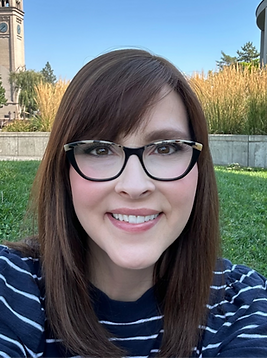
Dr. Davis, M.D., graduated with distinction from Stanford University, earning a B.S. in Human Biology. She received her M.D. from the University of Washington School of Medicine and completed a general psychiatry residency and geriatric psychiatry fellowship at Oregon Health & Science University (OHSU), where she served as chief resident in her final year. Dr. Davis is a dual board-certified general and geriatric psychiatrist with advanced expertise in interventional psychiatry. Over more than 20 years, Dr. Davis has worked in academic and community settings, with a focus on complex neuropsychiatric illness, geriatric psychiatry, and interventional psychiatric care. Earlier in her career, she treated patients extensively with electroconvulsive therapy (ECT) and specialized in neurocognitive and movement disorders. Since 2011, she has practiced clinical transcranial magnetic stimulation (TMS), transitioning to an exclusive TMS focus by 2014. She has delivered TMS in outpatient settings across conventional once-daily protocols, accelerated protocols, and advanced coil technologies. Her interventional experience also includes reviewing hundreds of cases involving community-based intravenous ketamine sessions and previously offering intranasal esketamine. Her work reflects a systems-level understanding of interventional psychiatry, spanning neuromodulation and emerging psychedelic therapies. Dr. Davis is the founder of Ravenna Center for Neuropsychiatry (RCfN), a practice focused on advanced psychiatric care and research. RCfN’s clinical emphasis is accelerated TMS, in addition to insurance-based, once-daily TMS for depression and OCD. The Center offers the FDA-cleared accelerated H1 TMS protocol, SWIFT, which is covered by select insurance carriers. The center also serves as a site for psychedelic clinical trials and will provide structured psychedelic education and harm-reduction consultations. Dr. Davis served as site principal investigator on a clinical trial comparing conventional once-daily TMS with accelerated intermittent theta burst stimulation (multiple daily sessions of TMS, allowing for treatment to be compressed into 5-6 days). She also served as the Seattle site principal investigator for a psychedelic medicine trial investigating a new psychedelic compound to treat postpartum depression. She is trained through MAPS in MDMA-assisted therapy and completed a year-long fellowship in psychedelic medicine. Her clinical approach is informed by lived experience as a patient, surviving triple-negative breast cancer followed by acute myeloid leukemia. She understands the challenges of navigating the medical system from a patient perspective. She is committed to working with individuals facing life-threatening illness, chronic disease, and existential distress, and to advancing interventional and psychedelic-informed treatments.